
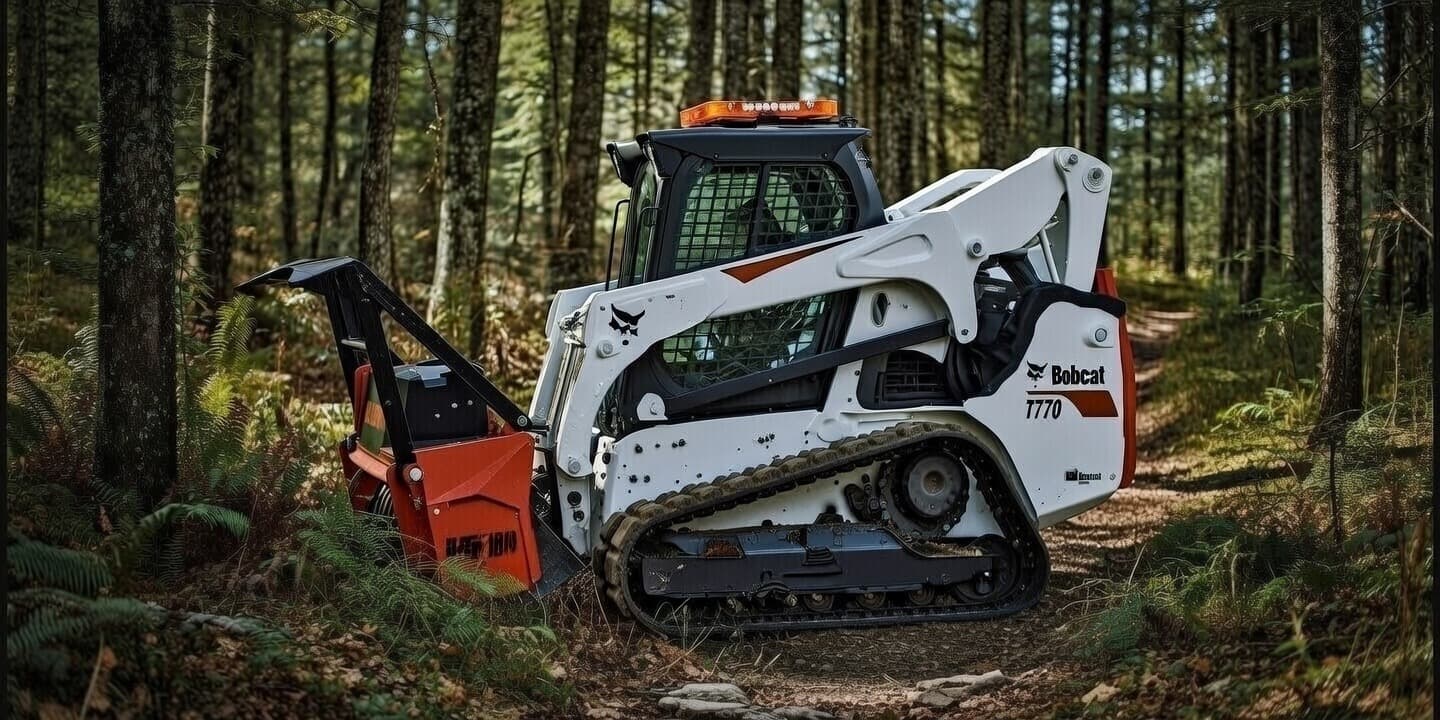
Invasive Species Removal in South Carolina
Professional removal of kudzu, privet, Bradford pear, honeysuckle, and other invasive plants using eco-friendly forestry mulching. Protect your property and native ecosystems.
South Carolina's Invasive Species Problem
Invasive plants are one of the greatest threats to South Carolina's native ecosystems and private property. Species like kudzu, Chinese privet, and Bradford pear spread aggressively across the state, smothering native trees, destroying wildlife habitat, and reducing property values. Left unchecked, a small patch of invasive growth can overtake acres of land in just a few growing seasons.
Professional removal is essential because most invasive species are nearly impossible to control with simple cutting or mowing. They resprout from roots, spread through seeds carried by birds and wind, and outcompete native plants for sunlight, water, and nutrients. Without the right approach, you're fighting a losing battle.
Forestry mulching is the ideal solution for invasive species removal. Unlike hand-cutting that leaves root systems intact or chemical treatments that damage surrounding ecosystems, forestry mulching grinds invasive plants — including their root crowns — into fine mulch. This mulch layer then acts as a natural barrier, blocking sunlight and suppressing regrowth while native plants reclaim the area. It's faster, more effective, and better for the environment than any alternative.
Invasive Species We Remove
These are the most damaging invasive plants in South Carolina — and we specialize in eliminating them
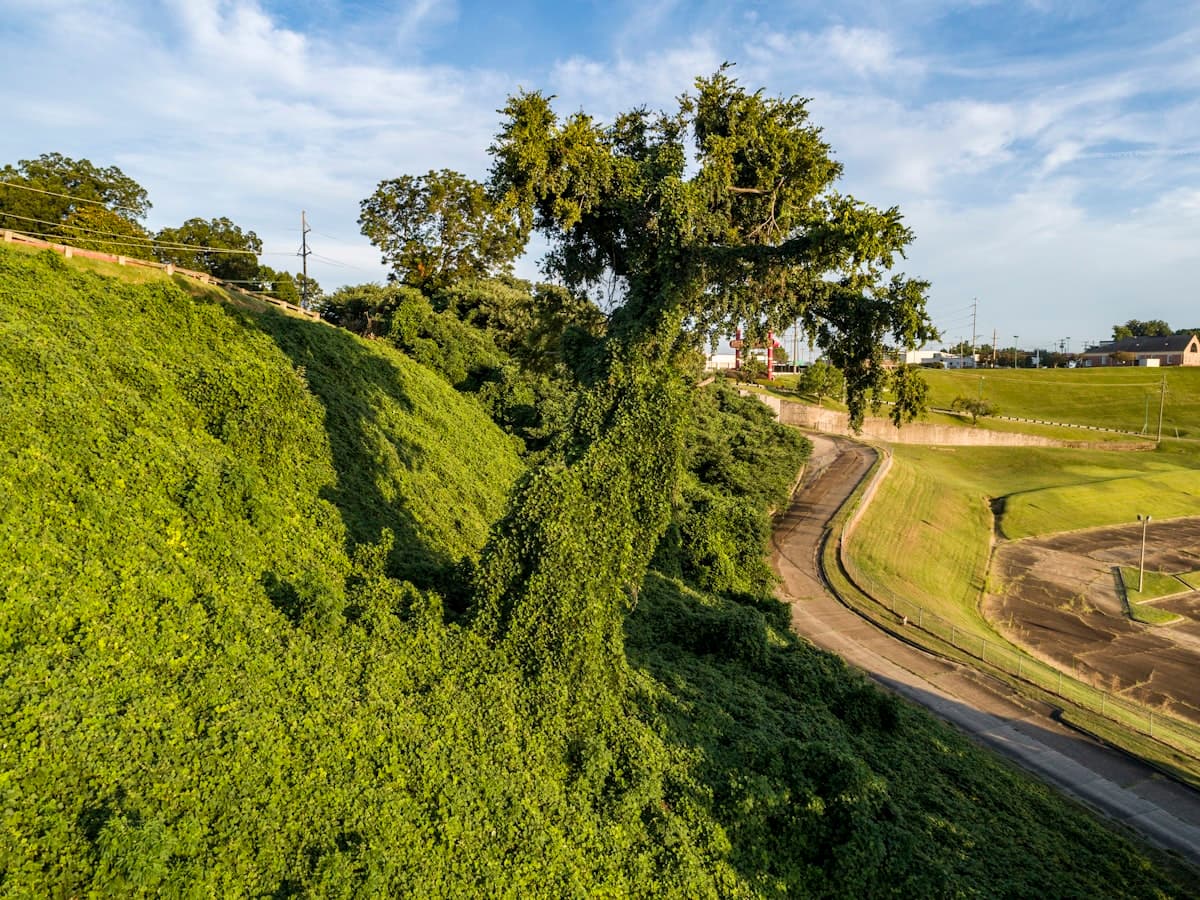
Kudzu
Pueraria montana
The threat: Known as "the vine that ate the South," kudzu can grow up to a foot per day during summer, smothering trees, structures, and entire landscapes under a thick blanket of foliage. It kills native plants by blocking sunlight and can topple trees under its sheer weight.
How we remove it: Forestry mulching grinds kudzu vines and their root crowns into mulch, destroying the above-ground growth and exposing root systems. The mulch layer left behind suppresses regrowth by blocking sunlight to remaining root fragments.
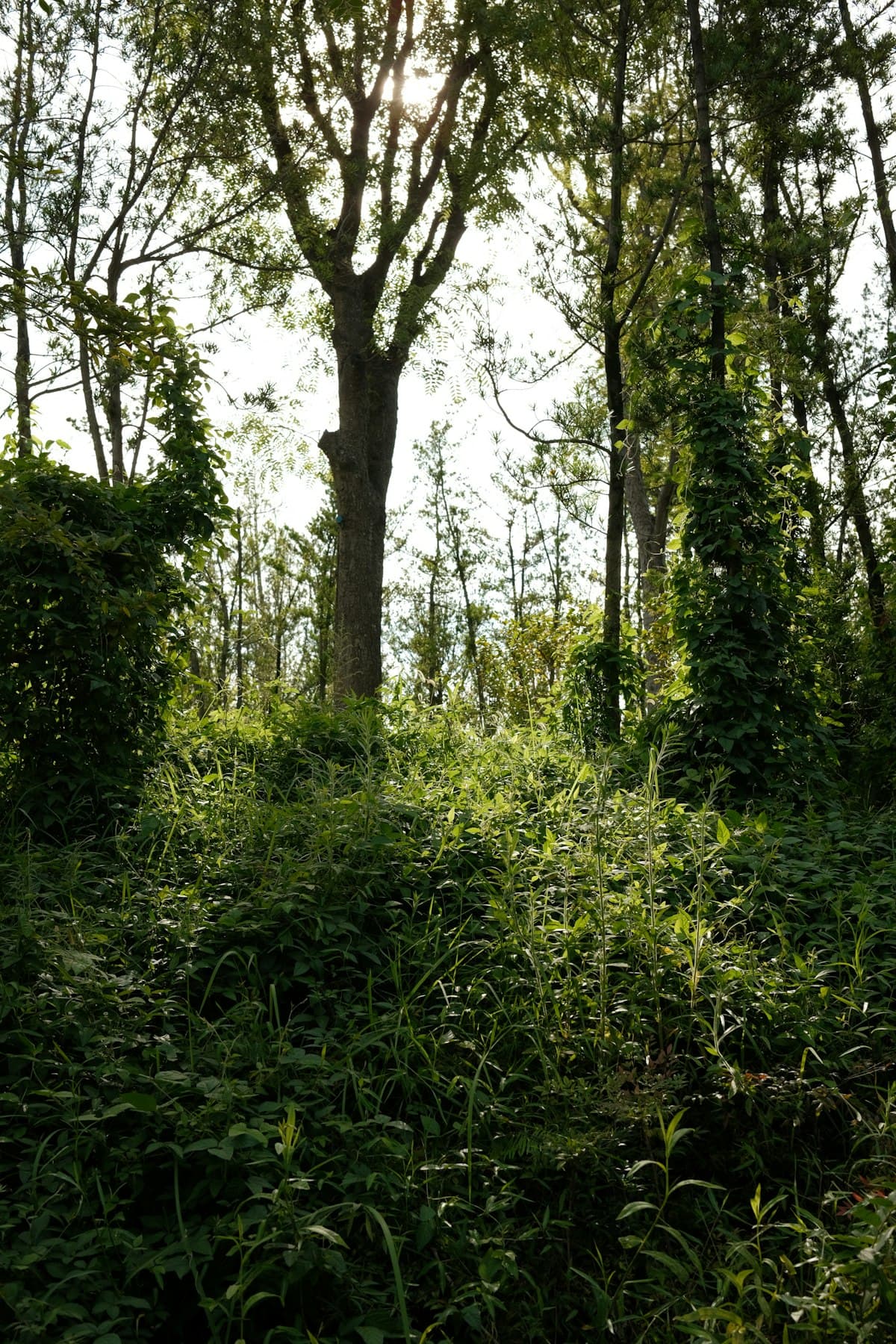
Chinese Privet
Ligustrum sinense
The threat: The most widespread invasive shrub in South Carolina, Chinese privet forms dense thickets that crowd out native understory plants. It produces thousands of berries spread by birds, allowing it to colonize forests, stream banks, and fence lines rapidly.
How we remove it: Our forestry mulcher cuts through privet thickets efficiently, grinding stems and root crowns below the soil surface. This is far more effective than hand-cutting, which often leads to aggressive resprouting from the root system.
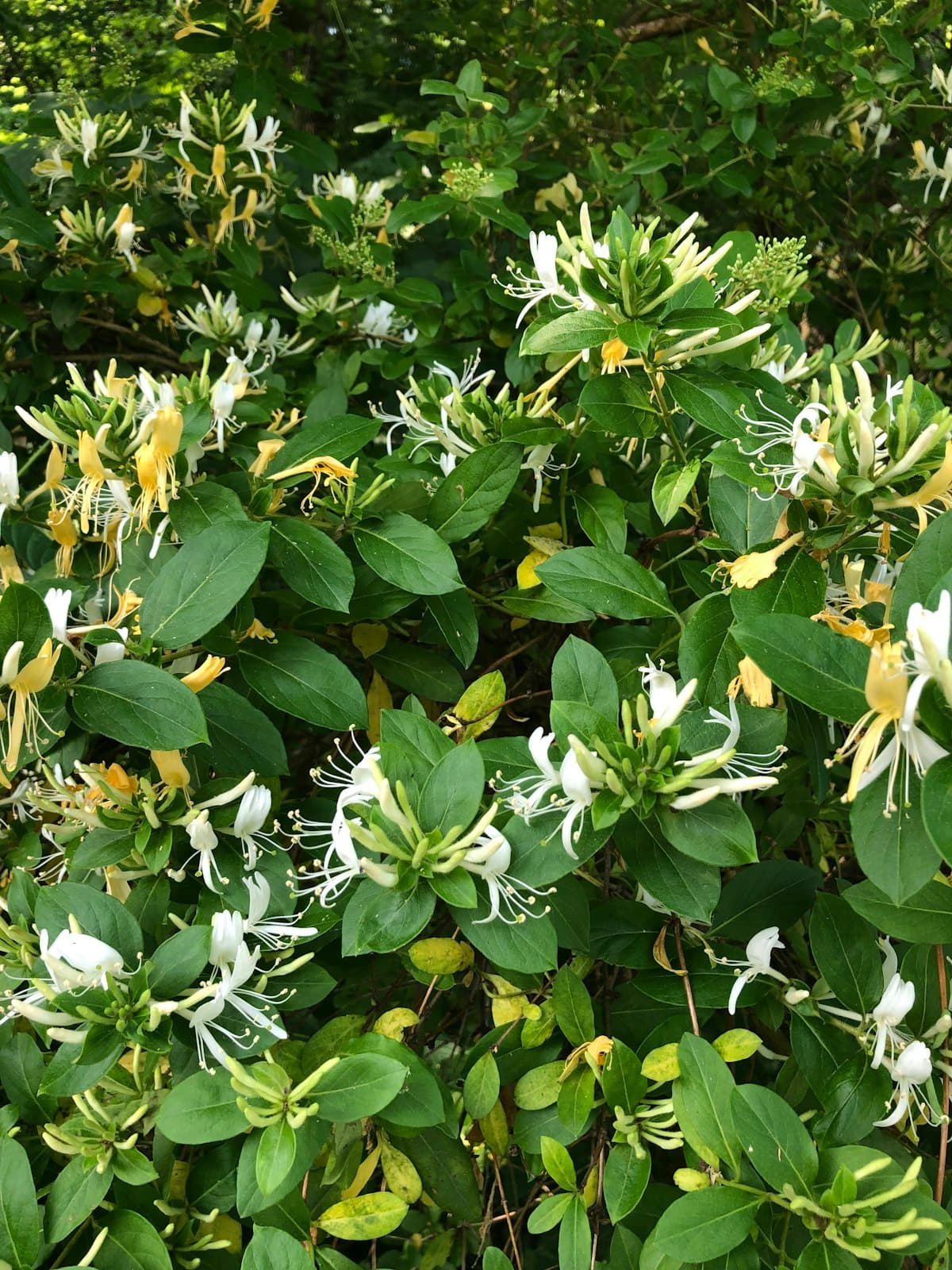
Japanese Honeysuckle
Lonicera japonica
The threat: This aggressive vine wraps around trees and shrubs, girdling branches and cutting off nutrient flow until the host plant dies. It forms dense mats on the ground that prevent native seedlings from establishing, permanently altering forest composition.
How we remove it: Forestry mulching clears honeysuckle infestations in a single pass, grinding both the vines and the shrub-like growth they create. The resulting mulch layer acts as a natural barrier against regrowth while native plants recover.
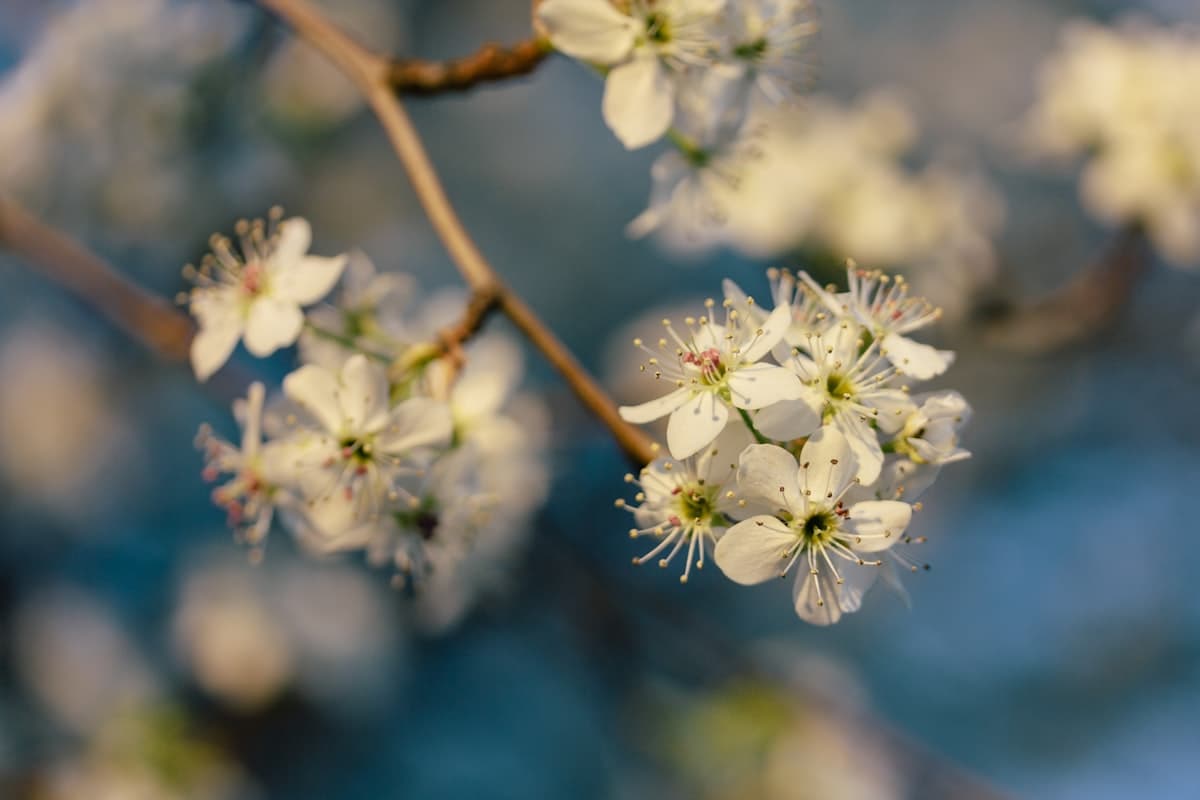
Bradford Pear
Pyrus calleryana
The threat: Once a popular ornamental, Bradford pear cross-pollinates to produce thorny, aggressive offspring that invade fields, roadsides, and forest edges. South Carolina banned the sale of Callery pear trees in 2024 due to their destructive spread across the state.
How we remove it: Our mulching equipment handles Bradford pear trees up to 8 inches in diameter, grinding them into mulch on the spot. For larger specimens, we cut and then mulch the stumps below grade to prevent resprouting — no hauling or burning required.
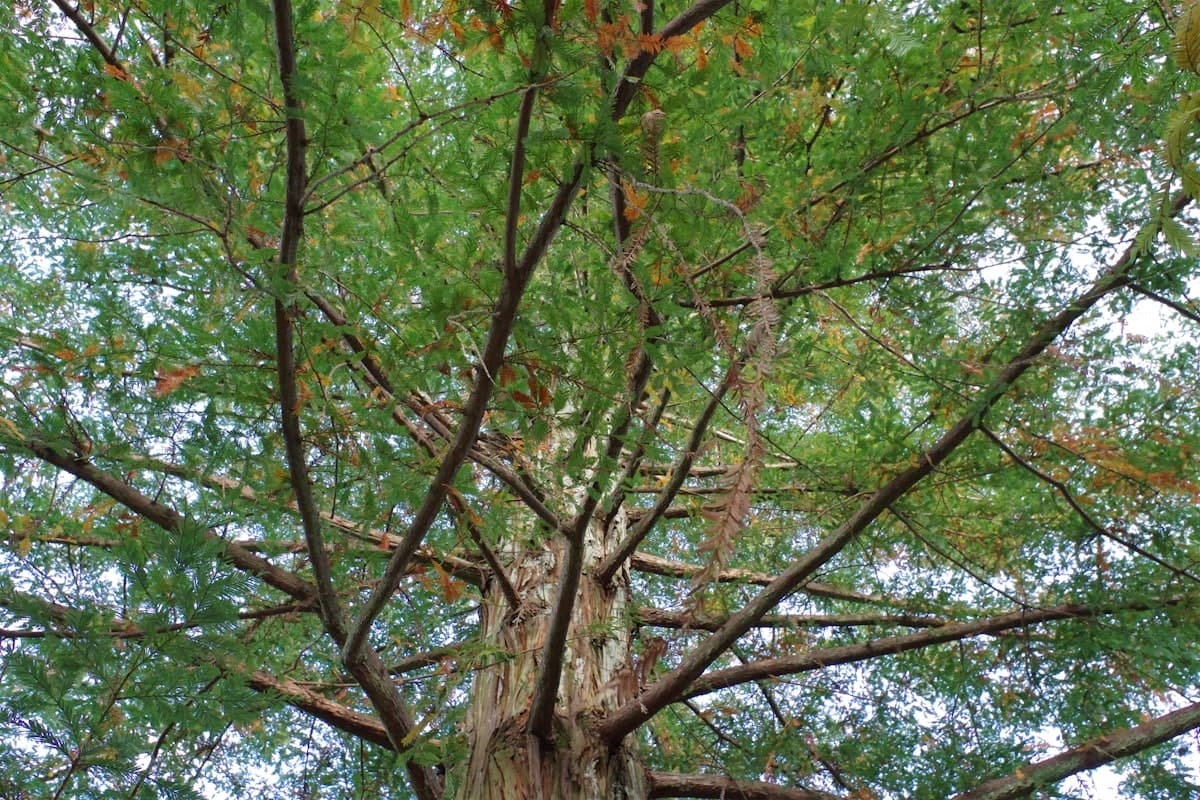
Chinese Tallow
Triadica sebifera
The threat: Chinese tallow trees are among the most aggressive invasive trees in the Southeast, capable of displacing entire native plant communities in bottomlands and coastal areas. A single tree can produce 100,000 seeds per year, and its leaf litter changes soil chemistry to favor its own growth over native species.
How we remove it: Forestry mulching removes Chinese tallow trees and grinds stumps to prevent resprouting. The mulch layer helps restore natural soil conditions and gives native species a chance to reclaim the area.
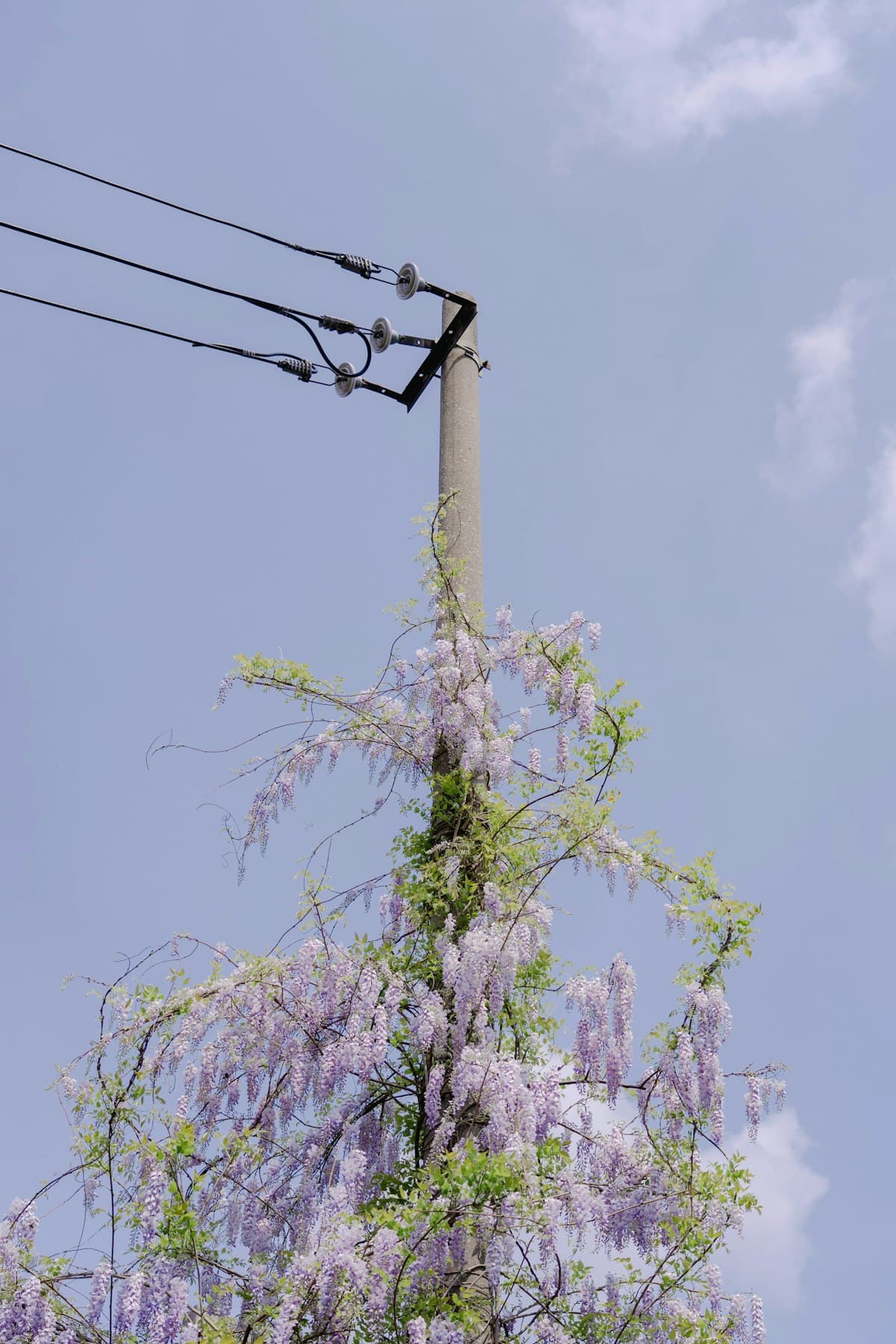
Wisteria
Wisteria sinensis
The threat: Chinese wisteria is a powerful climbing vine that strangles trees by wrapping tightly around trunks and branches, eventually girdling and killing them. It can pull down entire canopy sections under its weight and spreads aggressively through runners and seeds.
How we remove it: Our forestry mulcher grinds wisteria vines and root crowns, removing the above-ground mass that allows it to climb and spread. The mulch left behind suppresses regrowth while we monitor for any resprouting that needs follow-up treatment.
Our Removal Process
Property Assessment
We survey your property to identify invasive species, assess the severity of the infestation, and note any native plants or features to preserve.
Custom Treatment Plan
Based on the species present and terrain, we develop a targeted removal strategy — determining the right equipment, approach, and timeline for your property.
Mulching & Removal
Our forestry mulcher systematically processes invasive vegetation, grinding plants, roots, and stumps into fine mulch that stays on-site as natural ground cover.
Follow-Up Monitoring
Some invasive species attempt to regrow from remaining root fragments. We monitor treated areas and perform follow-up treatments if any regrowth is detected.
Why Choose Forestry Mulching for Invasive Species
Eco-Friendly
No herbicides, no burning, no hauling — just mechanical removal that leaves natural mulch behind.
Prevents Regrowth
The mulch layer blocks sunlight to roots, suppressing regrowth far more effectively than cutting alone.
Protects Native Plants
Selective clearing preserves native trees and plants while eliminating only invasive species.
No Chemicals
Purely mechanical removal means no herbicide runoff into streams, wells, or surrounding ecosystems.
Cost-Effective
A single machine clears invasive growth faster and more affordably than hand crews or repeated chemical treatments.
Year-Round Service
Forestry mulching works in any season — no burn bans or weather restrictions to delay your project.
Reclaim Your Property from Invasive Plants
Don't let invasive species take over your land. Get a free assessment and removal quote — no obligation.
Frequently Asked Questions
Get Your Free Quote
Tell us about your invasive species problem and we'll get back to you within 24 hours